

Kemet Share | Diversified application (I) in the field of aluminum profile construction
Release time:
2021-07-05
More than 100 years ago, aluminum was a rare precious metal, known as "silver gold", more precious than gold. In 1885, the cap on the Washington Monument, which was completed in Washington, D. C., was also made of aluminum.
Decorate the Building Space and Revitalize the Building
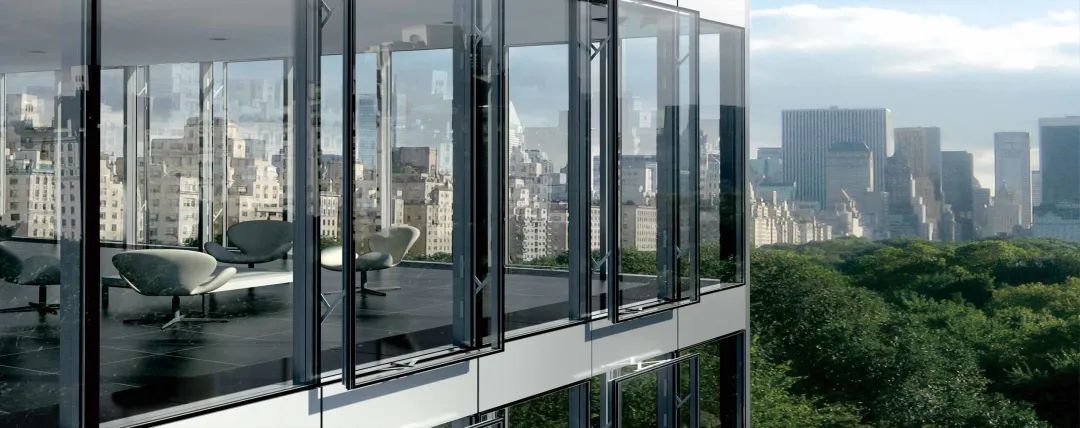
If you look at it from the perspective of a building project, the window installation is perhaps one of the most attractive displays of architectural elements. Round, arched, square or rectangular windows, different architectural decoration styles have different requirements for window types, square or rectangular windows are more common in our lives. The door is the face of a building, and it is also an independent building. As small as before, the common people used to tie firewood as the door, and as large as the high-rise and colorful gatehouse of the wealthy. A simple door, we can get a glimpse of the social status of the master. With the development of society and the improvement of productivity, the production level of the door is getting higher and higher, and there are more and more types. Whether it is a new building or the transformation of existing buildings, through the design and transformation of building doors and windows, the building can emit new vitality.
bring more extraordinary experience with high performance
exterior wall architectural decoration shows architectural charm
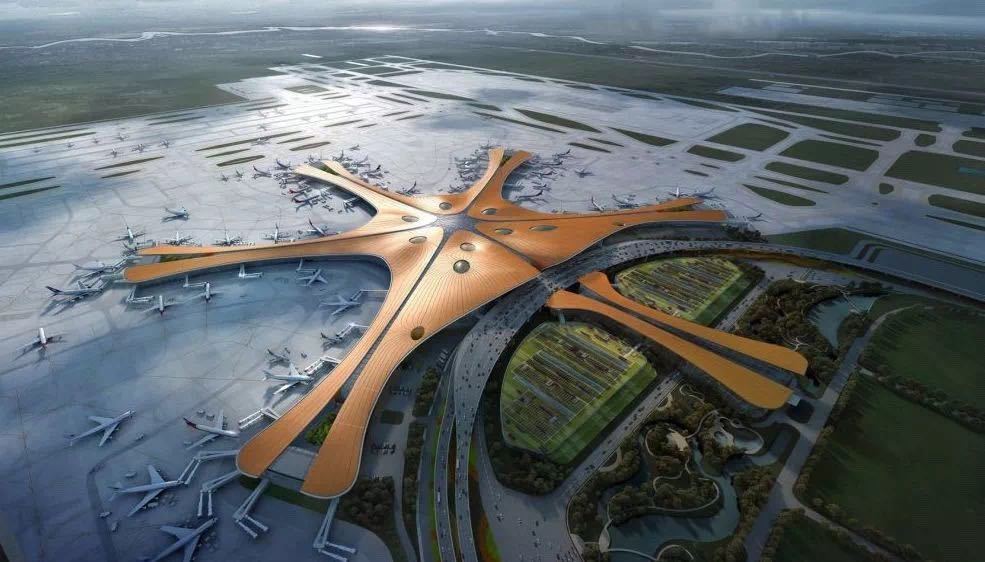
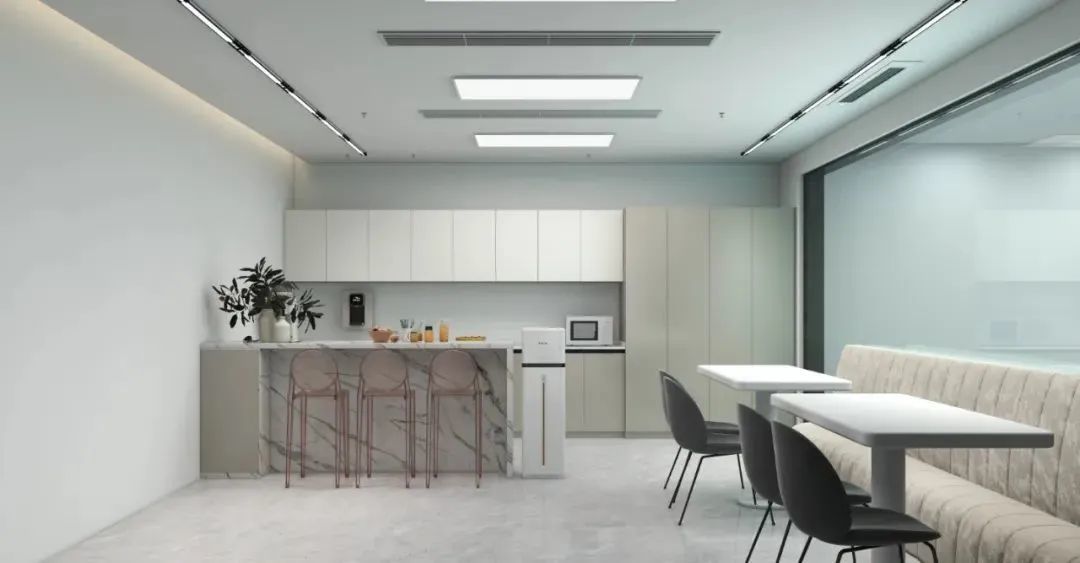
building curtain wall market products are increasingly rich, forming a diversified market structure dominated by aluminum, plastic, wood and steel. Curtain wall (commonly known as curtain wall) is a kind of hanging in the building structure frame measured by the structural frame and inlaid plate composition, does not bear the main structure load and role of the building envelope structure, is a modern large and high-rise buildings commonly used with decorative effect of light wall. The scope of curtain wall mainly includes the exterior wall, daylighting roof (cover) and awning of the building. Building decorative curtain wall has been used in construction projects as early as the mid-19th century. Since the 1950 s, due to the rapid development of building materials and processing technology, various types of building materials have been successfully developed and gradually become a new trend of contemporary exterior wall building decoration. All kinds of glass curtain wall, component type curtain wall, unit type curtain wall, point type curtain wall, photoelectric curtain wall, aluminum curtain wall, stone curtain wall, etc., from different angles showing different effects. Today, curtain walls are not only widely used in the exterior walls of various buildings, but also in the interior walls of buildings with various functions, such as communication rooms, television studios, airports (airports), stations, stadiums, museums, cultural centers, hotels, Large shopping malls, etc.
Contact Information
Customer Service Tel: +86-539-5635560
Mailbox: kemet@sdkemet.com
Zip Code: 276017
Address: Linyi City, Shandong Province
Copyright©2023 Kemet New Materials Technology Co., Ltd. All Rights Reserved