

How can people keep up with the trend of doors and windows in the hot era of passive building?
Release time:
2017-01-17
Following the cooperation between the Ministry of Housing and Urban-Rural Development and the German Energy Agency in the construction of passive housing high-rise residential demonstration projects in Qinhuangdao, Beijing, Shanghai, Hebei Province, Heilongjiang, Anhui and other provinces and cities have started the construction of passive houses. Energy conservation will lead the new pattern of industrial innovation and development. Passive building refers to the natural ventilation, natural lighting, solar radiation and indoor non-heating heat source heat and other passive energy-saving means and building envelope structure of high-efficiency energy-saving technology combined with the construction of low-energy buildings. This kind of building can significantly improve the indoor environment comfort, at the same time, it can greatly reduce the energy consumption of the building, and greatly reduce the dependence on the active mechanical heating and cooling system. In winter, it can realize the indoor temperature of 20 ℃ without traditional heating facilities. As one of the key parts of passive building, the external window not only meets the requirements of heat preservation and heat insulation, but also meets the requirements of heat and lighting. Compared with the traditional energy-saving external windows, the emergence of passive buildings puts forward more stringent requirements for external doors and windows. It is not only the requirements for heat transfer coefficient and shading coefficient, but also the heat coefficient, lighting coefficient and wind pressure resistance, water tightness, air tightness and installation system of the window. 1. The basic performance requirements of the transparent part of the external window The performance of the transparent part of the glass is very complicated, and the following requirements must be met at the same time: ① The heat transfer coefficient of the glass should meet K≤ 0.8W/(M2.K). The total solar energy transmittance of glass G ≥ 0.35. The selectivity coefficient S of the glass, the larger the better, and meet the requirements of S = TL/g ≥ 1.25 (where TL is the visible light transmittance). Under such conditions, the transparent material of the exterior doors and windows of the house can only be made of transparent materials such as Low-E insulating glass or vacuum glass, because only the Low-E can have the selectivity we expect from the sun. Low-E glass can reflect infrared energy, both "to maximize the visible light into" and "control of solar energy" two properties of glass. Low-E insulating glass has the characteristics of low heat transfer coefficient and can reflect infrared, its main function is to reduce the indoor and outdoor far infrared radiation energy and solar radiation energy transfer, so as to maintain the indoor temperature. Low-emissivity (Low-E) glass production process is divided into two types: one is the use of vacuum magnetron sputtering method, the glass surface plating containing one or two layers of silver film system, known as off-line Low-E glass; the other is the use of chemical vapor deposition method, on the glass surface plating semiconductor oxide (such as fluorine doped tin oxide, etc.) film system, known as on-line Low-E glass. The surface emissivity of Low-E glass is very low. The surface emissivity of on-line Low-E glass is lower than 0.25; the surface emissivity of off-line Low-E glass is lower than 0.15. Its main function is to reduce the indoor and outdoor far infrared radiation energy and solar radiation energy transfer, thereby maintaining the indoor temperature. The surface emissivity and infrared reflectance correspond. The lower the surface emissivity, the higher the infrared reflectivity, that is, the better the heat preservation and energy saving effect. The surface radiation of an object is for infrared absorption. Any object has absorption and reflection of infrared rays. Low radiation, that is, low infrared absorption, that is, high infrared reflection. At present, the quality of Low-E glass products in China is uneven, and the price is also very different. In the purchase of products should be selected advanced production technology, product performance and stable manufacturers to supply products. 2. Selection of profiles The heat transfer coefficient K of profiles for exterior door and window frames of buildings shall be determined according to the current national standard "Classification and Testing Methods for Thermal Insulation Performance of Exterior Doors and Windows of Buildings" GB/T8484, and shall conform to the provisions of K≤ 1.3W/(m2 · K). This regulation not only ensures that the overall heat transfer coefficient of the outer window can be controlled within a certain range, but also ensures that the surface temperature of the indoor profile is higher than the dew point temperature during use. At present, only wood or plastic profiles are available on the market. In the construction market, compared with Germany, the passive house dedicated wooden windows provided by advanced manufacturers in China are not bad. Passive room window production process is more complicated. Although our country has been able to produce passive external windows, such factories are still rare. 3. The choice of window frame sealing material is generally ignored in China's engineering windows. The exterior windows of passive houses shall be sealed with three durable sealing materials. If the passive house uses poor performance of the outer window sealing material, the consequences are very serious. Light window itself in the winter indoor side condensation, heavy is the loss of passive room should be indoor ambient temperature. The choice of high-performance glass spacer is still an industrial blank in our country. China's relevant standards have not yet been established. The aluminum glass spacer is likely to cause condensation in the room. The glazing spacer shall be a warm edge spacer of good durability. 5. The outer window airtight, watertight and wind pressure resistance performance requirements The outer doors and windows should have good airtight, watertight and wind pressure resistance. According to the current national standard "Classification and Testing Methods for Air Tightness, Watertightness and Wind Pressure Resistance of External Doors and Windows of Buildings" GB/T7106, the air tightness grade should not be lower than Grade 8, water tightness grade should not be lower than Grade 6, and wind pressure resistance performance grade should not be lower than Grade 9.
Following the cooperation between the Ministry of Housing and Urban-Rural Development and the German Energy Agency in the construction of passive housing high-rise residential demonstration projects in Qinhuangdao, Beijing, Shanghai, Hebei Province, Heilongjiang, Anhui and other provinces and cities have started the construction of passive houses, and the country is about to launch incentives Policies, building energy conservation will lead the new pattern of industrial innovation and development.
passive building refers to the low energy consumption housing building which combines various passive energy-saving means such as natural ventilation, natural lighting, solar radiation and indoor non-heating heat source heat with high efficiency energy-saving technology of building envelope. This kind of building can significantly improve the indoor environment comfort, at the same time, it can greatly reduce the energy consumption of the building, and greatly reduce the dependence on the active mechanical heating and cooling system. In winter, it can realize the indoor temperature of 20 ℃ without traditional heating facilities.
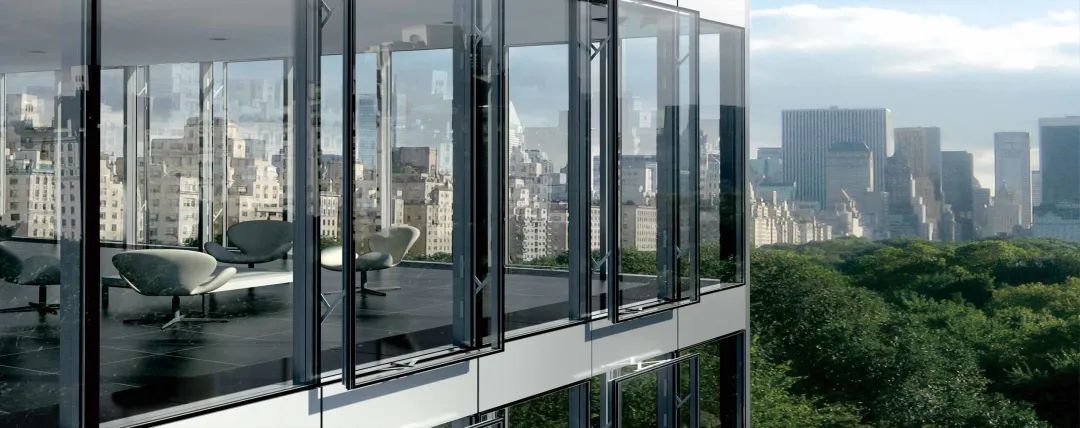
As one of the key parts of passive building, the external window should not only meet the requirements of heat preservation and heat insulation, but also meet the requirements of heat and lighting. Compared with the traditional energy-saving external windows, the emergence of passive buildings puts forward more stringent requirements for external doors and windows. It is not only the requirements for heat transfer coefficient and shading coefficient, but also the heat coefficient, lighting coefficient and wind pressure resistance, water tightness, air tightness and installation system of the window.
1. Basic performance requirements for the transparent part of the external window
The performance of the transparent part of the glass is very complicated, and the following requirements must be met at the same time:
① The heat transfer coefficient of the glass should meet K≤ 0.8W/(M2.K).
② The total solar energy transmittance of glass G≥ 0.35.
③ The selectivity coefficient S of the glass, the larger the better, and meets the requirement of S = TL/g≥ 1.25 (where TL is the visible light transmittance).
Under such conditions, the transparent material of the exterior doors and windows of the house can only be selected from transparent materials such as Low-E insulating glass or vacuum glass, because only the Low-E can have the selectivity we expect from the sun. Low-E glass can reflect infrared energy, both "to maximize the visible light into" and "control of solar energy" two properties of glass. Low-E insulating glass has the characteristics of low heat transfer coefficient and can reflect infrared, its main function is to reduce the indoor and outdoor far infrared radiation energy and solar radiation energy transfer, so as to maintain the indoor temperature.
low radiation (Low-E) glass production process is divided into two kinds: one is the use of vacuum magnetron sputtering method, on the surface of the glass coating containing one or two layers of silver film system, called off-line Low-E glass; the other is the use of chemical vapor deposition method, on the surface of the glass coating semiconductor oxide (such as fluorine doped tin oxide, etc.) film system, called on-line Low-E glass.
Low-E glass has a very low surface emissivity. The surface emissivity of on-line Low-E glass is lower than 0.25; the surface emissivity of off-line Low-E glass is lower than 0.15. Its main function is to reduce the indoor and outdoor far infrared radiation energy and solar radiation energy transfer, thereby maintaining the indoor temperature. The surface emissivity and infrared reflectance correspond. The lower the surface emissivity of
, the higher the infrared reflectivity, that is, the better the heat preservation and energy saving effect. The surface radiation of an object is for infrared absorption. Any object has absorption and reflection of infrared rays. Low radiation, that is, low infrared absorption, that is, high infrared reflection.
At present, the quality of Low-E glass products in China is uneven, and the price is also very different. In the purchase of products should be selected advanced production technology, product performance and stable manufacturers to supply products.
2. Selection of Profiles
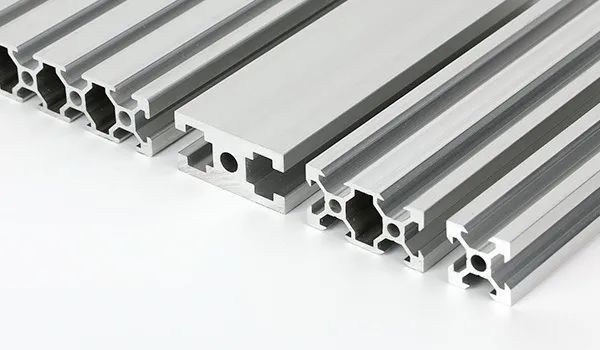
The heat transfer coefficient K of profiles for building exterior door and window frames shall be determined according to the method specified in GB/T 8484, the current national standard "Classification and Test Methods for Thermal Insulation Performance of Building Exterior Doors and Windows", and shall conform to the provisions of K≤ 1.3W/(m2 · K). This regulation not only ensures that the overall heat transfer coefficient of the outer window can be controlled within a certain range, but also ensures that the surface temperature of the indoor profile is higher than the dew point temperature during use. At present, only wood or plastic profiles are available on the market.
In the construction market, compared with Germany, the special wooden windows for passive houses provided by advanced manufacturers in China are not bad. Passive room window production process is more complicated. Although our country has been able to produce passive external windows, such factories are still rare.
3. Selection of window frame sealing material
China's engineering windows generally ignore the window sealing material. The exterior windows of passive houses shall be sealed with three durable sealing materials. If the passive house uses poor performance of the outer window sealing material, the consequences are very serious. Light window itself in the winter indoor side condensation, heavy is the loss of passive room should be indoor ambient temperature.
4. glass partition selection
high performance glass spacer in our country or an industry blank. China's relevant standards have not yet been established. The aluminum glass spacer is likely to cause condensation in the room. The glazing spacer shall be a warm edge spacer of good durability.
5. Air tightness, water tightness and wind pressure resistance of external windows require
External doors and windows should have good air tightness, water tightness and wind pressure resistance. According to the current national standard "Classification and Testing Methods for Air Tightness, Watertightness and Wind Pressure Resistance of External Doors and Windows of Buildings" GB/T7106, the air tightness grade should not be lower than Grade 8, water tightness grade should not be lower than Grade 6, and wind pressure resistance performance grade should not be lower than Grade 9.

Contact Information
Customer Service Tel: +86-539-5635560
Mailbox: kemet@sdkemet.com
Zip Code: 276017
Address: Linyi City, Shandong Province
Copyright©2023 Kemet New Materials Technology Co., Ltd. All Rights Reserved